Florida rewrote the rules around roof claims between 2021 and 2023, and it's worth understanding them before anyone knocks on your door after a storm. A roofing contractor cannot advertise or solicit you for the purpose of filing a claim, cannot offer to pay, waive or rebate your deductible, and cannot give you anything of value for a claim (F.S. 489.147). Assignment of benefits — signing your claim over to the contractor — was ended for new policies in 2023. Insurers can no longer decline you solely for a roof under 15 years old, and if it's older, an inspection showing five years of useful life keeps you covered (F.S. 627.7011). And since SB 4-D, a roof permitted after March 1, 2009 doesn't have to be fully replaced just because more than a quarter of it was damaged.
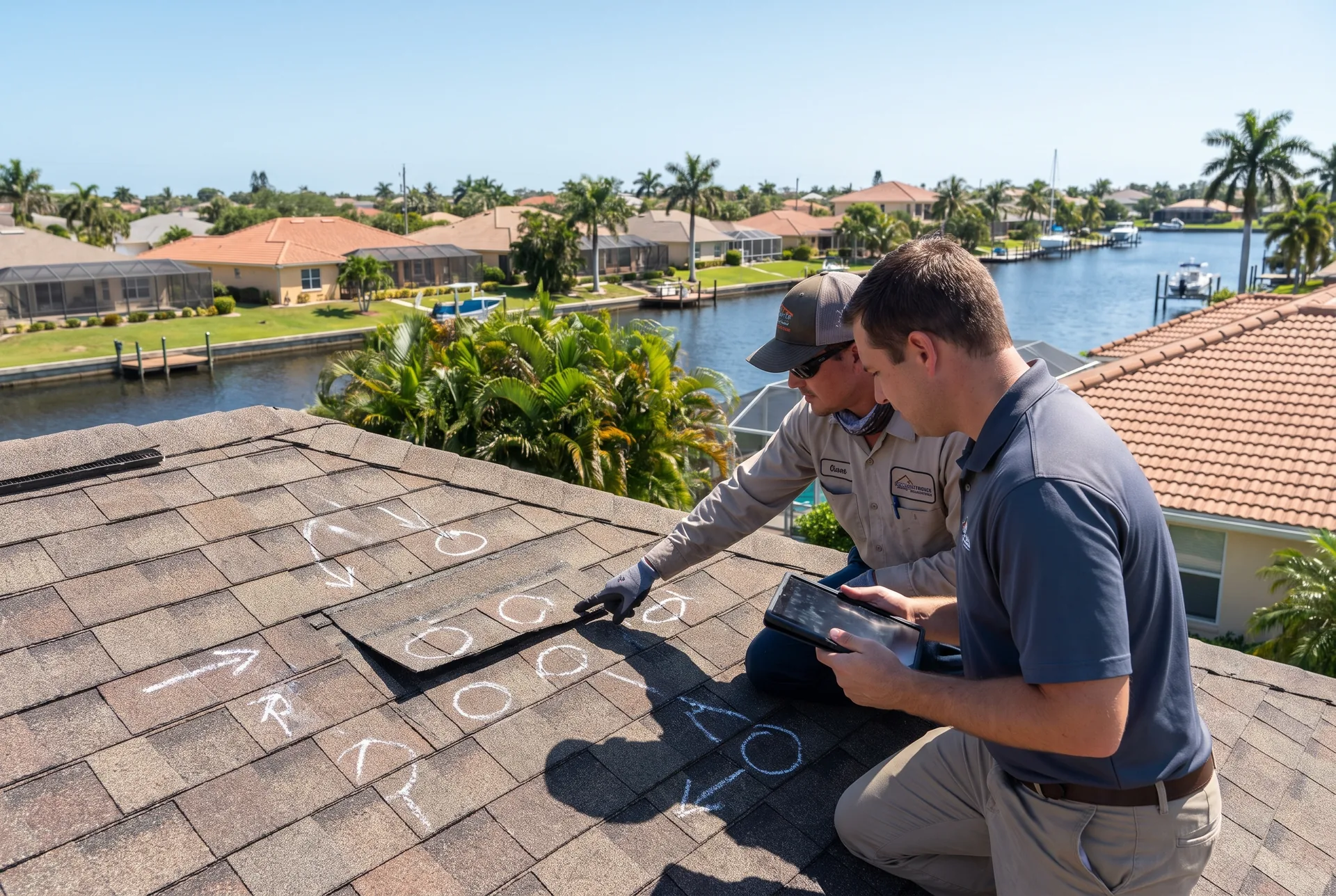
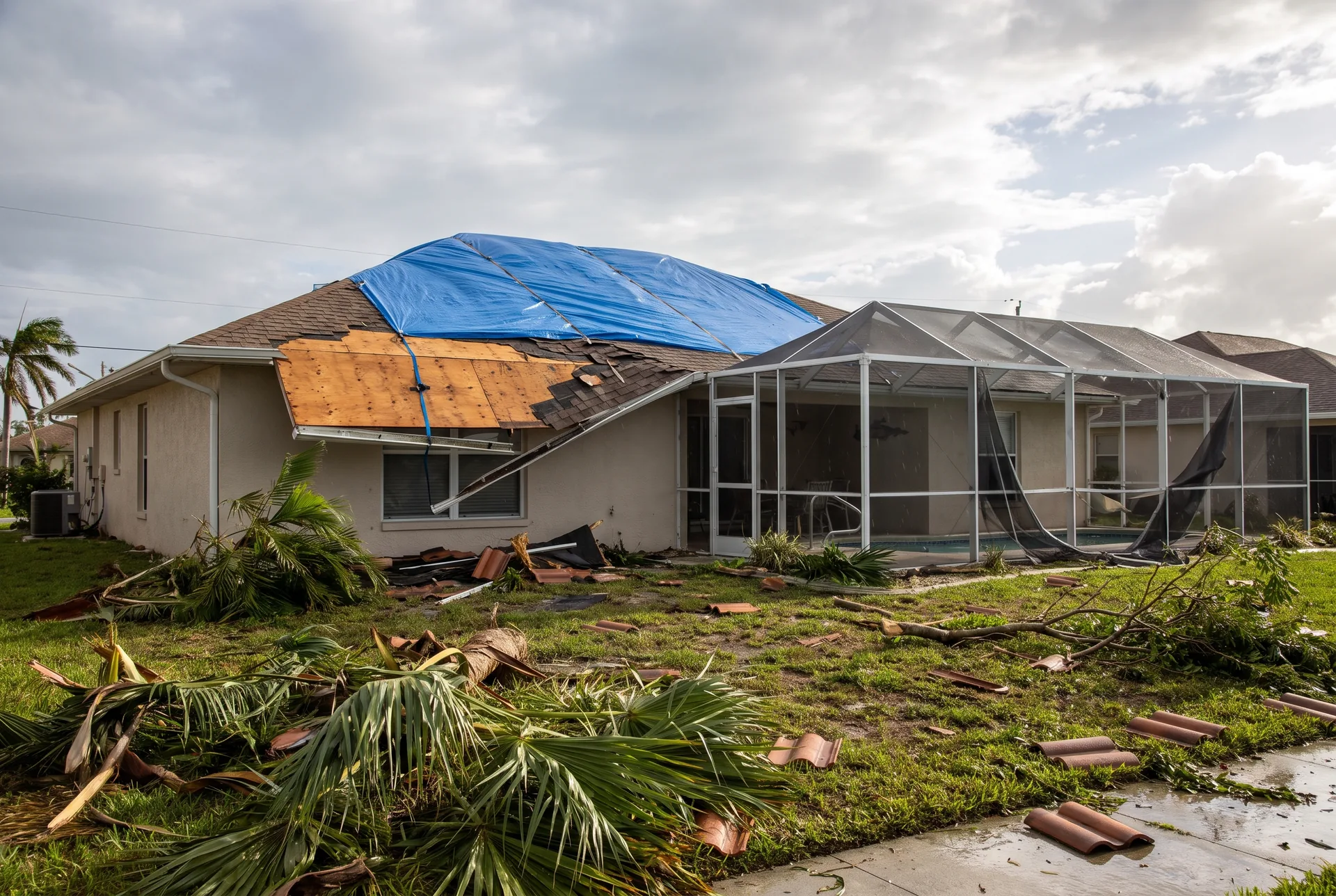
Inside those rules, here's what we do. After a storm we inspect and photograph the roof and attic and give you a dated written report describing the damage and what repair it needs. That report is yours; whether you file is your decision, and we won't push you either way. If you do file, we meet your adjuster on the roof, walk the damage with them, answer questions about the roof's age and condition honestly, and then build our estimate to the scope your carrier approves — including the code upgrades (sealed deck, secondary water barrier, attachment) that ordinance-and-law coverage typically pays for. Your deductible is yours to pay. We don't take assignment of benefits, we don't act as a public adjuster, and we don't tell you what to say to your insurer.
What's included
Documentation you own
Dated photos of every damaged area, attic moisture readings, and a written report you can use with or without a claim.
Adjuster meetings
We meet the adjuster on the roof, walk it with them, and make sure lifted shingles, cracked tiles and wet decking get seen.
Approved-scope estimates
Line-item estimates written to the carrier's approved scope and Florida code, including ordinance-and-law upgrades.
Code-compliant repair or replacement
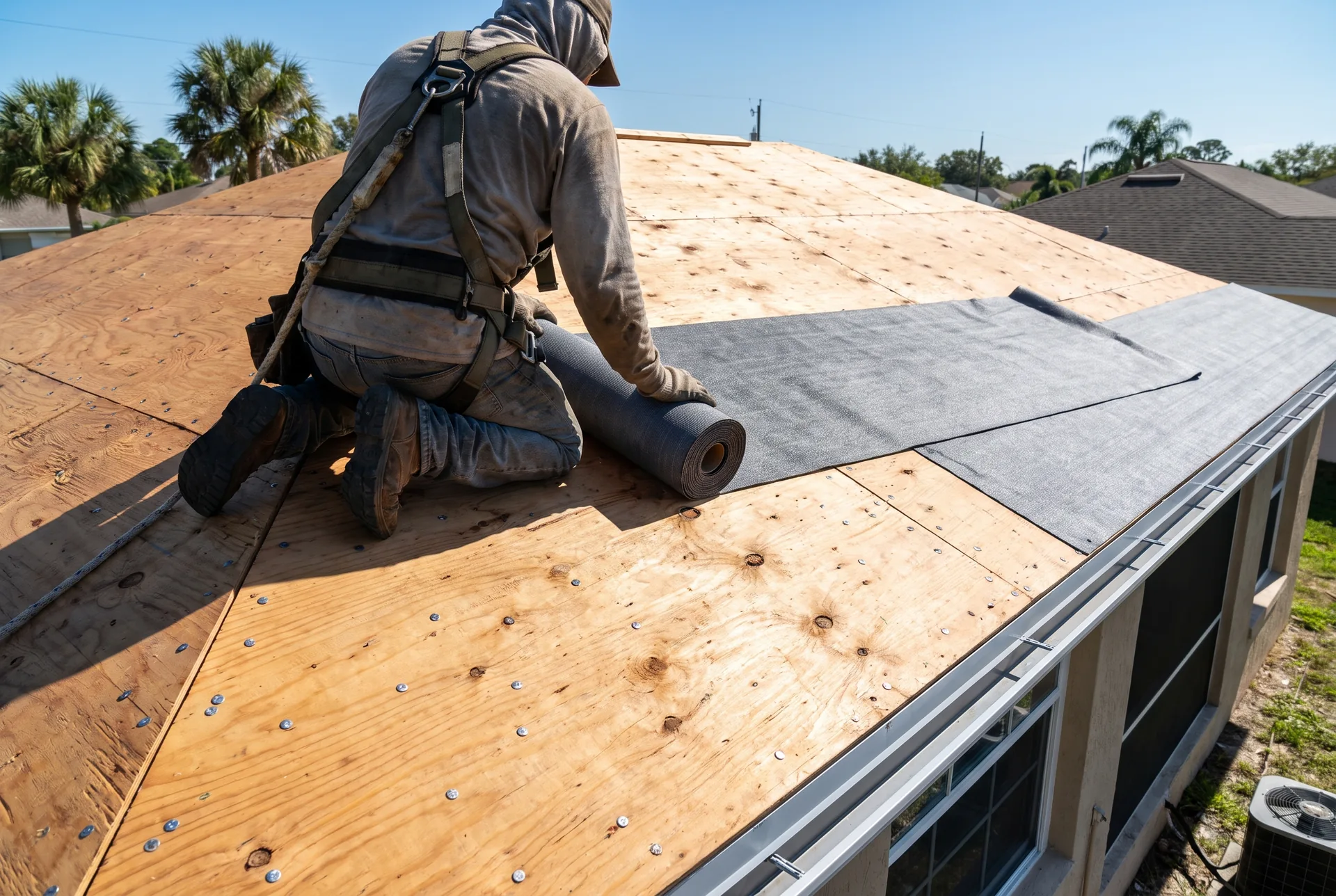
Whatever is approved gets built to current code — sealed deck, secondary water barrier, proper attachment — and permitted.
Supplements, honestly
If hidden damage turns up at tear-off (rotten decking, more wind damage), we document it and submit a supplement — we don't pad the first estimate.
What we don't do
No deductible waivers or rebates, no gifts for claims, no assignment of benefits, no public adjusting, no doorstep contracts.
What storm claims cost, and what they don't
| Job | Typical price | Notes |
|---|---|---|
| Post-storm inspection & written damage report | Free | Photos and moisture readings |
| Emergency tarp / dry-in | $400 – $1,200 | Credited toward the repair |
| Adjuster meeting | Included | On the roof, at their appointment |
| Repair to approved scope | Per estimate | Written to carrier scope + code |
| Replacement to approved scope | Per estimate | Ordinance-and-law upgrades itemized |
| Your hurricane deductible | 2–5% of Coverage A, typically | Yours to pay — by law |
| Roof condition / 4-point inspection for underwriting | $0 – $150 | Free with a repair; $150 standalone |
Florida law (F.S. 489.147) prohibits roofing contractors from soliciting claims, paying or waiving deductibles, or offering anything of value for a claim. Nothing on this page is advice to file a claim; it describes how the process works if you do.
Recent work
Questions we get about insurance & claims
Should I file a claim for my roof?
That's your decision, and Florida law says a roofer shouldn't be the one pushing you. Some honest guidance: a hurricane deductible is usually 2–5% of your dwelling coverage — $8,000 to $20,000 on many Cape Coral homes — so a $3,000 repair isn't a claim. A roof that lost a large section, or that's got wet decking across the attic, is a different conversation. Our report gives you the facts; your agent can tell you what filing does to your rates.
Will you waive my deductible?
No — it's illegal in Florida for a roofing contractor to pay, waive or rebate an insurance deductible, and any roofer offering to is telling you how they run their business. Your deductible is yours.
What is assignment of benefits and do you use it?
AOB is signing your claim over to the contractor so they deal with the insurer directly. Florida ended AOB on policies issued after January 1, 2023 because of how it was abused. We don't use it; you stay in control of your claim.
The adjuster says my roof is just old. What now?
Sometimes they're right — wear and tear isn't covered, and a 22-year-old shingle roof that lost tabs was going to lose them. Sometimes the photos show creased shingles and displaced tile that a storm clearly caused. Our report and the adjuster's meeting on the roof are where that gets sorted out. If you disagree with the decision, a licensed public adjuster or an attorney is the route — not us.
Does insurance pay for the code upgrades?
Usually, if your policy has ordinance-and-law coverage (most Florida policies include 25%). The sealed deck, secondary water barrier, re-nailing and attachment the code now requires are itemized on our estimate so the carrier can see them.
What about the 25% rule?
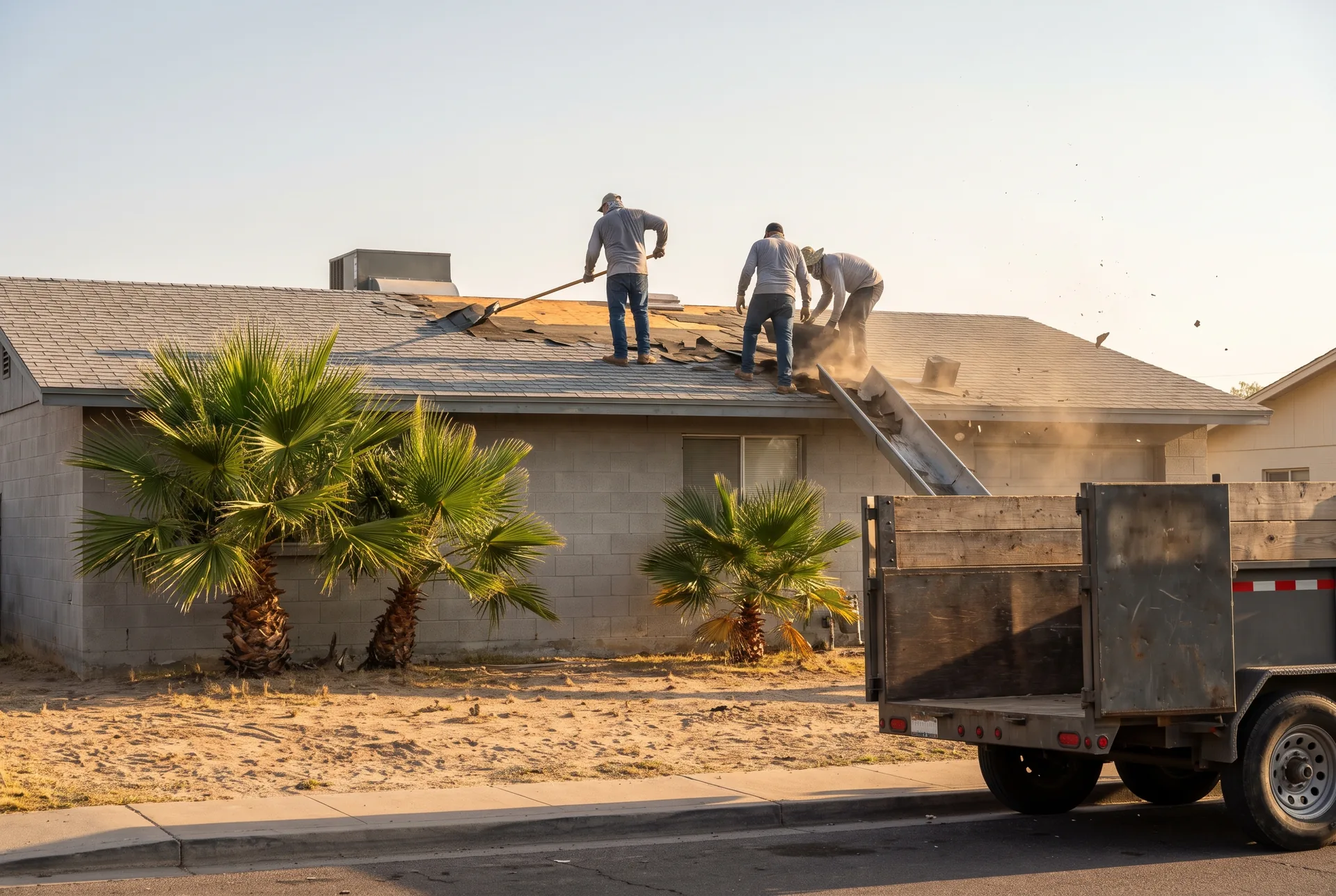
If your roof was permitted after March 1, 2009, only the damaged section has to be repaired, no matter how big. If it's older, damage to more than a quarter of the roof in a year means the whole roof must come up to code — which is why a lot of older roofs end up replaced after a storm.